Review: Hand-Drawn Kid Using Computer for Stitching
As a designer who spends more time staring at stitch maps than most people care to admit, I approach every new machine embroidery design with a mix of excitement and skepticism. We have all downloaded a file that looked stunning on the screen only to turn into a bird's nest of thread on the fabric. That is why I took a close look at the Hand-Drawn Kid Using Computer graphic before committing it to a client project. This isn't just about whether the image is cute; it is about whether this specific illustration translates effectively into thread, holds up under tension, and delivers value to a small business owner or hobbyist looking to create a high-quality handmade product.
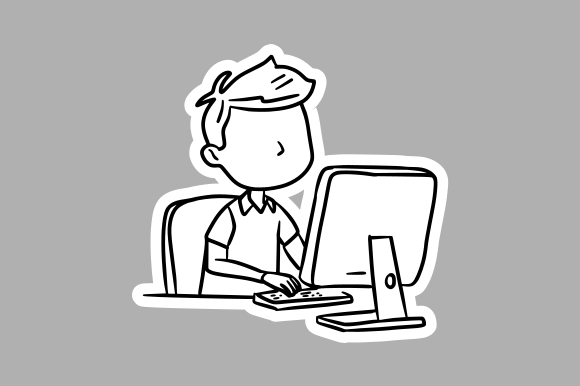
The first thing that strikes me about the Hand-Drawn Kid Using Computer is its mood. It captures a very specific, modern nostalgia. There is something charmingly retro about a sketch-style depiction of a child engaged with technology, rendered in black and white. For an embroidery project, this aesthetic is a double-edged sword. On one hand, the simplicity of a sketch often translates beautifully into running stitches or light fill patterns. On the other hand, "hand-drawn" implies irregular lines and artistic imperfections that can be tricky to replicate with the rigid precision of an embroidery machine. When evaluating this as a potential digital embroidery file for commercial use, the key question is: does the digitizer preserve the organic feel of the original Illustrations and Graphics without losing structural integrity?
Real-World Application: The Boutique Sweatshirt Test
To truly understand the potential of this design, I imagined a real-life scenario that many Etsy sellers and craft entrepreneurs face daily. Picture a custom order for a local tech camp or a family reunion where the theme is "Future Coders." The client wants a batch of unisex crewneck sweatshirts. This is the perfect testing ground for the Hand-Drawn Kid Using Computer. Unlike a t-shirt, a sweatshirt offers a heavier fabric texture that can support more substantial stitching without puckering, provided the right stabilizer is used.
In this context, the black-and-white nature of the sketch becomes a major asset. It allows for high contrast against heather grey, navy, or even pastel hoodies. If this design were converted into an applique design, it could add a fantastic tactile dimension, perhaps using a felt base for the computer screen and satin details for the child's outline. However, if executed as a standard flat embroidery, the reliance on thread colors would be minimal, likely sticking to black, white, and perhaps a single accent color for the keyboard or screen glow. This simplicity reduces production time and cost, a crucial factor for anyone running a craft business with tight margins.
The visual personality of the Hand-Drawn Kid Using Computer suggests it belongs on items that celebrate creativity and learning. It feels right at home on a tote bag design for a library book sale, a baby embroidery project for a nursery wall hanging, or even a custom apparel line for a coding bootcamp. The layout is generally centered and balanced, which makes it versatile for various hoop placements. However, the level of detail in the child's face and the computer keys requires careful inspection. In a finished product, these tiny elements must be large enough to stitch out clearly; otherwise, they risk merging into a solid blob of thread after the first wash.
Navigating Technical Challenges and Fabric Choices
While the concept is strong, practical execution requires vigilance. One of the primary concerns with sketch-style Graphics is stitch density. If the digitizer has tried to mimic every pencil stroke with a dense fill stitch, the result could be stiff and prone to cracking on stretchy fabrics. Conversely, if the design relies too heavily on running stitch to capture the "sketch" look, it may not hold up well on items that undergo frequent washing, like kitchen towels or active wear. Before stitching this on a final garment, it is imperative to test the design on scrap fabric that matches the weight and weave of your intended material.
There are specific scenarios where the Hand-Drawn Kid Using Computer should be used with caution. For instance, placing this on a curved surface like a cap requires a design that is not too wide or tall, and the underlay must be sufficient to prevent the fabric from pulling. Similarly, if you are working with thin or dark fabrics, the density of the black threads needs to be checked. Will the white highlights show up, or will they get lost? If the original file is strictly black and white, you may need to manually adjust the thread colors in your software to ensure visibility on dark backgrounds. Furthermore, small hoop sizes might crop out essential parts of the illustration if the aspect ratio is not square, so confirming the dimensions against your machine's capabilities is a non-negotiable step.
Another critical consideration is the longevity of the finished product. If this design is intended for a personalized gift like a baby blanket or a holiday ornament, the edges of the sketch lines must be secure. Loose threads or poorly trimmed jump stitches can ruin the professional look of a small shop product. For items like embroidered patches that will be ironed on or sewn onto jackets, the border definition is vital. The sketch style should not look messy; it should look intentional. This distinction often separates amateur hobbies from professional commercial embroidery ventures.
Enhancing Brand Value and Customer Trust
Ultimately, the choice to use the Hand-Drawn Kid Using Computer comes down to the value it adds to your brand. In a market saturated with generic clipart, a well-executed, unique illustration can significantly boost buyer engagement. It tells a story. It suggests that thought went into the selection of the design assets. For an Etsy seller, offering a product featuring this specific character can help build a cohesive collection—perhaps a series of "Kids and Technology" themed items that appeal to modern parents and educators.
The professionalism of the final output directly influences customer trust. A clean, crisp stitch-out of this design signals quality. It shows that you, the maker, understand how to translate a 2D image into a textured, durable textile art piece. Whether you are creating printable mockups for your online store or stitching the actual holiday embroidery gifts for December sales, the clarity of the lines and the balance of the composition matter. A muddy or overly dense design can make a premium product look cheap, whereas a well-balanced stitch count enhances the perceived value.
Final Designer Notes for Success
Before you commit to a full production run using the Hand-Drawn Kid Using Computer, here are a few practical steps to ensure success. First, always stitch a test sample on the exact fabric you plan to use. Pay attention to how the stabilizer interacts with the material; sometimes a cut-away is better than tear-away for sketch designs to maintain shape. Second, review the file details carefully. Since specific technical data like exact stitch counts or file formats were not provided in the initial description, you must verify compatibility with your specific embroidery machine software. Check if the file includes multiple sizes or if it is locked to a specific hoop size.
Additionally, consider the licensing terms. If you are an Etsy seller or run a boutique, confirm that the license allows for commercial use of the finished product. Some Illustrations are for personal use only, while others permit unlimited sales of physical goods but restrict the resale of the digital file itself. Finally, think about presentation. Even a simple black-and-white design can pop with the right framing. Try stitching it on a colored patch background or adding a decorative satin stitch border to elevate the overall look. By treating the Hand-Drawn Kid Using Computer not just as an image but as a component of a larger design strategy, you can create products that resonate with customers and stand the test of time.