Point of Sales Colored Icons: Essential Graphics for Sellers
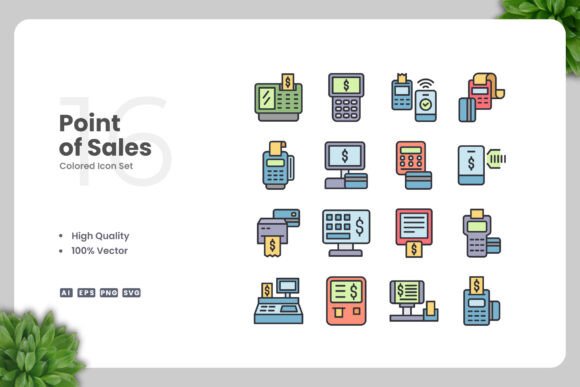
As a digital product creator who has spent years navigating the crowded landscapes of Etsy, Creative Fabrica, and various print-on-demand platforms, I approach every new graphic design asset with a critical eye. It is not just about whether an image looks pretty; it is about whether it solves a problem for my customers and holds up under the scrutiny of a commercial marketplace. Recently, I evaluated the Point of Sales Colored Icons collection to see if it could serve as a foundational element for a new line of small business branding resources. My goal was to determine if these Icons and Graphics could transition from simple files into profitable digital products.
First Impressions and Visual Personality
Upon opening the file package, the immediate impression is one of functional clarity. The aesthetic is undeniably modern and minimal, stripping away unnecessary decoration to focus on immediate recognition. This "simple and clean" style is exactly what busy entrepreneurs look for when building their brand identity. Unlike ornate or overly whimsical illustrations that might limit your audience to specific niches like nurseries or weddings, these assets possess a universal commercial appeal. They feel professional, trustworthy, and efficient.
The color palette appears vibrant yet balanced, designed to stand out without clashing with typical corporate or retail color schemes. This makes them highly versatile for creating social media graphics, website headers, or app interfaces. For a seller, this neutrality is a strength; it means the end-user can easily integrate these elements into existing brand guidelines without a complete overhaul. The mood is practical and business-minded, perfectly suited for the " Point of Sales" theme which implies transaction, efficiency, and commerce.
Real-World Product Applications
To truly test the viability of this collection, I imagined launching a "Small Business Starter Kit" on my shop. The potential applications for these Icons are vast. For Cricut users and crafters, these files can be converted into durable sticker design sheets for planners or organizational labels. Because the lines are distinct, they should translate well into cut files, provided the vector paths are closed and clean.
For those in the print-on-demand space, these graphics are ideal for t-shirt design concepts targeting retail workers, cashiers, or shop owners. A simple icon paired with a bold sans-serif font could create a best-selling mug design for coffee shops. Furthermore, digital sellers can incorporate these into Canva template bundles, offering pre-made social media posts or presentation slides for coaches and consultants. The ability to resize and recolor these vectors means a single purchase can yield dozens of unique sublimation design options for tumblers, tote bags, and laptop skins.
Enhancing Product Presentation
In the competitive world of creative marketplace listings, visual hierarchy is everything. These Graphics excel when used to break up text in product descriptions or to create eye-catching thumbnail previews. When I mocked up a listing image using these icons, the result was a clean, organized layout that communicated value instantly. Using them in product mockup scenes helps potential buyers visualize how the assets look in real life, thereby increasing click-through rates and building customer trust.
They are particularly effective for creating themed bundles. Imagine a "Retail Ready" collection where these icons are paired with matching fonts and background textures. This strategy increases the perceived value of your design bundle and encourages larger average order values. The consistency of the style ensures that whether a customer buys a single icon or a full pack, their final project maintains a cohesive brand identity.
Strategic Placement and Limitations
While versatile, these assets are not a one-size-fits-all solution. They work best in environments where clarity is paramount. Large product previews, decorative layouts for invoices, and printable organizational charts are ideal use cases. However, caution is required when applying them to tiny sticker details or overly complex layouts. If an icon is scaled down too far, the colored details may blur, losing their definition. Similarly, placing these colorful icons on dark backgrounds requires careful attention to contrast; you may need to create inverted versions to ensure visibility.
For Cricut projects requiring intricate cutting lines, it is essential to inspect the SVG quality first. While the description suggests easy editing in vector software, complex color gradients within a single shape can sometimes confuse cutting machines if not properly layered. Additionally, avoid using them in text-heavy templates where they might compete with the copy rather than support it. The strength of this collection lies in its simplicity, so overcrowding a design defeats the purpose.
Practical Seller Notes for Commercial Success
Before publishing any listing featuring the Point of Sales Colored Icons, rigorous testing is non-negotiable. I recommend printing a sample sheet on both matte and glossy paper to check color fidelity. Verify the PNG transparency to ensure there are no unwanted white halos around the edges, which can ruin a professional packaging design. If you are selling these as part of a digital download, organize your files clearly—separating SVGs, PNGs, and EPS formats—to enhance the customer experience.
Typography pairing is another critical factor. These modern icons pair beautifully with clean sans-serif fonts for a tech-forward look, but they can also be softened with a handwritten font for a more approachable, handmade business vibe. Always review the commercial license terms explicitly. While these assets are designed for commercial use, understanding the specific limitations regarding resale (e.g., selling the raw files vs. selling them on a finished product) is vital to protecting your shop from policy violations.
Ultimately, the Point of Sales Colored Icons represent a solid investment for creators looking to expand their catalog of commercial design resources. They offer a practical, adaptable foundation for everything from Etsy product listings to high-end brand identity packages. By treating them as building blocks rather than finished art, you can unlock their full potential and create a diverse range of sellable assets that resonate with today's digital entrepreneurs.