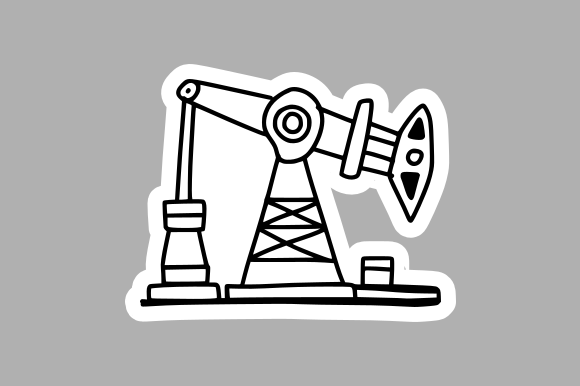
Monochrome Oil Rig Sketch: Graphics & Illustrations
As a digital publisher who has spent years refining the visual identity of high-traffic blogs, I approach every new graphic design asset with a critical eye. It is not enough for an image to simply look good; it must perform. It needs to stop the scroll, support the narrative, and maintain the delicate balance between artistic flair and functional clarity. When I first encountered the Monochrome Oil Rig Sketch, my immediate reaction was one of appreciation for its raw, industrial texture. In a sea of overly polished, vector-perfect stock imagery, this piece offers something far more valuable: character.
The Editorial Mood: Industrial Elegance
The first thing that strikes you about this Handmade Art illustration is its mood. It is neither playful nor strictly corporate; instead, it occupies a sophisticated middle ground that feels both educational and artistic. The monochrome palette immediately suggests a serious, perhaps historical or technical tone, making it an ideal fit for content niches involving energy, engineering, history, sustainability, or even rugged lifestyle branding.
For a blog designer, the lack of color is a feature, not a bug. It allows the Monochrome Oil Rig Sketch to adapt seamlessly to almost any brand identity without clashing. Whether your website uses a bold crimson accent or a soft sage green, this sketch acts as a neutral anchor. It creates a visual hierarchy that draws the eye without screaming for attention, fostering a sense of reader trust that often comes from seeing thoughtful, curated visuals rather than generic clip art.
Integrating into Real Publishing Workflows
In my daily workflow, I am constantly searching for versatile assets that can be repurposed across multiple channels. This illustration shines in that regard. Here is how I envision deploying it across a real content publishing ecosystem:
- Blog Featured Images: Placed as a hero image with a dark overlay, it provides a dramatic backdrop for headlines about energy transitions or industrial history.
- Pinterest Graphics: The vertical composition potential is strong. By pairing the sketch with bold sans-serif typography, it becomes a highly clickable pin for educational boards.
- Newsletter Headers: For industry-specific newsletters, this asset adds a touch of editorial sophistication that elevates the perceived value of the content inside.
- Digital Guides and eBooks: It works beautifully as a chapter divider or a cover element for downloadable resources regarding engineering or resource management.
- Social Media Visuals: It serves as an excellent background texture for quote cards or announcement posts on Instagram and LinkedIn.
The versatility extends to affiliate marketing as well. If you are reviewing tools, books, or services related to the energy sector, using this sketch in your promotional materials creates a cohesive visual theme that reinforces your authority on the subject.
Boosting Content Performance and Brand Identity
Why does a specific sketch matter for performance? Because consistency breeds recognition. When readers see the Monochrome Oil Rig Sketch used repeatedly across your blog graphics and social media, it becomes part of your brand identity. It signals that your content is curated and professional.
Furthermore, the detailed line work of this Illustration supports better click-through potential. In a feed full of flat colors and simple icons, the intricate details of a hand-drawn rig invite the user to look closer. That split-second of engagement is often all it takes to convert a passive scroller into an active reader. It improves the overall aesthetic of your content pages, making them feel less like a template and more like a magazine spread.
Ideal Use Cases
This asset is particularly effective when used as a website header for niche sites focusing on industrial topics. It also excels as an editorial accent in long-form articles, breaking up text and providing visual relief. For creators selling digital products, such as worksheets or planners with an industrial or vintage theme, this sketch adds immense value as a decorative element.
Where to Exercise Caution
However, no design asset is universal. You should use the Monochrome Oil Rig Sketch carefully in small mobile thumbnails where the fine lines might blur into a gray smudge. It is also not suitable for text-heavy blog images unless you apply a significant opacity overlay, as the complex background can reduce readability. Additionally, if your brand relies on a hyper-minimal, ultra-modern aesthetic with zero texture, this handmade style might feel too organic. It may also be too specific for general corporate content that requires abstract neutrality.
Practical Publisher Notes for Implementation
Before finalizing this asset in your web design projects, I recommend a rigorous testing phase. First, view it on both desktop and mobile screens to ensure the details remain crisp. Check how it performs as a thumbnail in your CMS; if it loses definition, consider cropping to the most distinct section of the rig.
Typography pairing is crucial. Test the sketch beside serif fonts for a classic, editorial look, or pair it with bold sans-serif fonts for a modern, impactful statement. Even script or handwritten fonts can work if you are aiming for a "maker" or "blueprint" vibe. Always check the contrast ratios if you are placing white text over the image.
From a technical standpoint, review the file size. High-resolution scans of handmade art can be heavy. Ensure you compress the images properly for web performance to avoid slowing down your page load times, which is critical for SEO. Finally, and most importantly, confirm the commercial license. Since this is a digital download intended for creative projects, verify that your usage rights cover monetized websites, affiliate pages, and paid content products.
Ultimately, the Monochrome Oil Rig Sketch is more than just a picture; it is a storytelling tool. When used strategically, it transforms standard content marketing into a visually compelling experience that resonates with readers and elevates your status as a trusted publisher in your niche.